Many consumers remain cautious about battery‑electric vehicles and prefer the consistent driving feel of fuel‑powered cars, sticking firmly to internal‑combustion options. Convenient refuelling, freedom from range‑anxiety concerns, and proven, dependable quality are the core reasons behind their loyalty to fuel‑powered vehicles. Even as new‑energy models keep grabbing larger market shares, a substantial group of buyers still chooses fuel‑powered cars. Below we review the top‑10 fuel‑powered models by sales volume in June, highlighting which familiar nameplates continue to command solid market appeal.
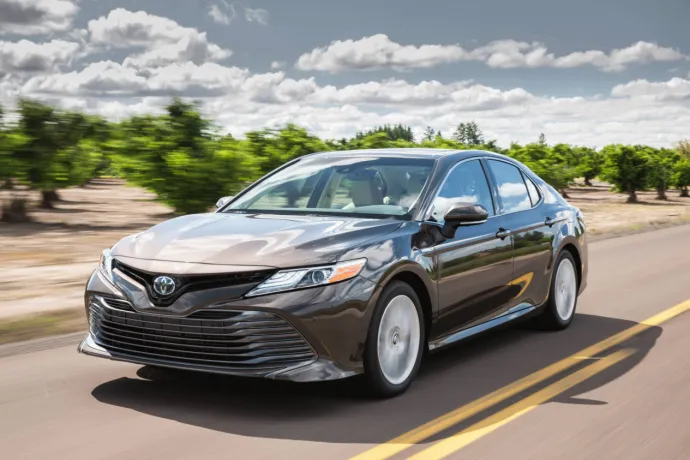
No.1 Toyota Camry
In June, the Toyota Camry claimed first place among fuel‑powered passenger vehicles with 17,114 units sold, underscoring its strength as a leading joint‑venture sedan. Over the past two years, it has consistently posted monthly sales above 10,000 units, demonstrating strong market resilience. Full‑year 2025 sales totalled 208,653 units, while cumulative sales for the first half of this year reached 85,981 units. Breaking down monthly performance: it opened January robustly at 17,426 units; February volumes dipped to 11,172 due to the Lunar New Year holiday; sales rebounded to 17,069 in March, fell to 10,963 in April, and edged up to 12,237 in May. A sharp June rebound to 17,114 units lifted it to the top spot for fuel‑powered cars. Amid mounting pressure from new‑energy competition, the Camry has retained its position as a top mid‑size fuel‑powered joint‑venture sedan.
No.2 Volkswagen Lavida
Known as an ever‑green model in China’s auto market, the Lavida recorded more than 100,000 cumulative sales in the first half of the year, averaging over 16,000 units per month. January sales hit 23,481 units; both February and March exceeded 15,000 units. April and May delivered 12,457 and 13,033 units respectively, before climbing to 15,444 units in June for second place on the fuel‑car ranking. A key rival to models such as the Nissan Sylphy, the Lavida maintains solid market momentum despite fierce encirclement by new‑energy competitors.
No.3 Geely Xingyue L
The flagship fuel‑powered SUV from Geely has surpassed 930,000 units in total cumulative sales. In June, it topped the fuel‑powered SUV segment with 15,220 units sold, reflecting powerful consumer draw. Monthly sales for this year show: a strong January start of 23,481 units; a February pull‑back to 10,144 units; a March recovery to 12,940 units; an April low of 9,046 units; a May bounce‑back to 11,099 units back above 10,000; and a steady June rise to 15,220 units, representing a month‑on‑month gain of over 37 %. Built on robust product strengths and accumulated user goodwill, the Xingyue L stands as a quality benchmark among domestic‑brand SUVs in its segment.
No.4 Geely Boyue L
The Boyue L forms another core pillar for Geely’s domestic fuel‑powered SUV lineup and competes fiercely in the 100,000‑150,000‑yuan family‑car segment. Public sales figures show a strong January opening of 34,176 units, followed by 19,363 units in February and 17,402 units in March. April volumes slipped to 11,315 amid broader industry cyclical swings. May saw 13,395 units, earning it monthly sales leadership among fuel‑powered SUVs, before advancing further to 14,970 units in June. Against a backdrop of contracting overall fuel‑vehicle volumes, the Boyue L is one of the few mainstay fuel‑powered models sustaining stable output.
No.5 Toyota RAV4 Rongfang
A compact‑SUV benchmark and sales anchor within Toyota’s global portfolio, the RAV4 Rongfang is widely regarded as a reliable workhorse for family buyers. Its well‑established reputation for dependability, fuel efficiency, residual‑value retention and safety makes it a go‑to choice for many households. Cumulative first‑half sales reached 68,874 units; monthly volumes stayed above 10,000 except for February (7,789 units) and May (9,857 units). Supported by solid word‑of‑mouth and Toyota’s extensive dealer network, the RAV4 Rongfang holds firm in the fuel‑powered‑SUV space amid the new‑energy transition, exhibiting notable market resilience.
No.6 Volkswagen Magotan
Celebrated as a benchmark joint‑venture B‑segment sedan, the Magotan delivered creditable results through the first half of the year. January‑March combined sales reached 43,586 units on the back of competitive product attributes. April volumes softened to 8,124 units, recovered slightly to 8,336 in May and jumped further to 11,047 units in June, a month‑on‑month increase exceeding 32 %. Total H1 sales stood at roughly 69,000 units. Facing sustained new‑energy headwinds, the Magotan preserves its foothold in the mid‑size fuel‑powered sedan market.
No.7 Volkswagen Passat
Another long‑standing mid‑size‑sedan staple, the Passat competes head‑to‑head with the Magotan and Camry and regularly tops 10,000 monthly sales. First‑half retail performance remained impressive. January output neared 21,000 units, followed by 13,988 in February and 16,067 in March. April fell to a cyclical low of 8,129 units amid price‑war pressure and cautious consumer sentiment. May climbed back above 10,000 at 10,727 units, and June strengthened to 12,862 units, up nearly 20 % month‑on‑month, illustrating strong market recovery capacity. H1 cumulative sales surpassed 80,000 units, confirming the sedan’s enduring standing among top‑tier models amid intense rivalry.
No.8 Volkswagen Tiguan L
One of three high‑volume core models for SAIC Volkswagen, the Tiguan L accumulated over 82,000 sales in the first half, averaging more than 13,000 units monthly. It began January with explosive momentum at 21,330 units; February‑March combined sales hit 27,058 units. April marked its half‑year trough at 9,109 units, followed by 12,503 units in May and steady June delivery of 12,806 units. In an era of booming new‑energy vehicles, such performance for a fuel‑powered SUV speaks volumes for its product competence.
No.9 Changan CS75 PLUS
The Changan CS75 PLUS is a key domestic compact fuel‑powered SUV with proven market staying power. Monthly sales stayed above 10,000 throughout the first half except for April (8,716 units). Squeezed by expanding new‑energy offerings and sharpening competition within fuel‑vehicle segments, it leverages Blue‑Whale powertrains, generous cabin space and well‑rounded family‑car characteristics to withstand market disruption, proving its product merits against real‑world conditions and the test of time.
No.10 Volkswagen Tayron
A cornerstone SUV within FAW‑Volkswagen’s product matrix, the Tayron debuted in 2018 and has grown into a diversified family including the Tayron X, Tayron GTE and all‑new Tayron L, achieving the 1‑million‑unit sales milestone. January‑March monthly sales registered 16,732, 11,084 and 15,897 units respectively. April dropped to 6,667 units, rebounded to 11,425 in May and maintained steady output at 11,664 in June. Thanks to solid German‑build quality and continuous product refinement, the Tayron family retains its position in the mainstream joint‑venture SUV arena amid the shift toward electrification.
Closing Notes
Electrification represents the overriding industry trend, yet these time‑honoured fuel‑powered nameplates stand their ground through compelling real‑world performance. They demonstrate that fuel‑powered cars still deliver irreplaceable value. Built on mature technology and trusted reliability, they maintain market traction amid the new‑energy wave and give consumers meaningful mobility alternatives. For buyers prioritising quick refuelling, frequent long‑distance trips, and freedom from range constraints, well‑proven fuel‑powered vehicles remain a sensible choice.